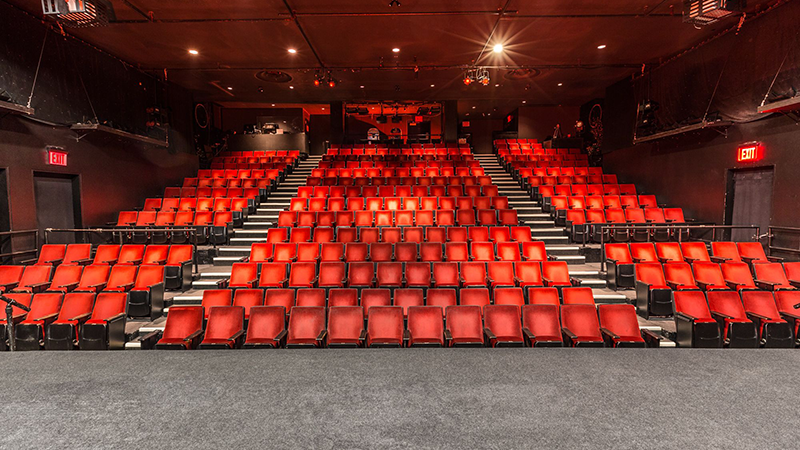
New World Stages - Stage 1
Find tickets for Off-Broadway shows and live theater performances at New World Stages - Stage 1.
Buy Tickets
100% Money-back Guarantee
Know what you want? - Pick Your Seats!

Browse popular Off-Broadway theater venues in New York City and find tickets for shows, plays, musicals, family productions, and live stage performances.
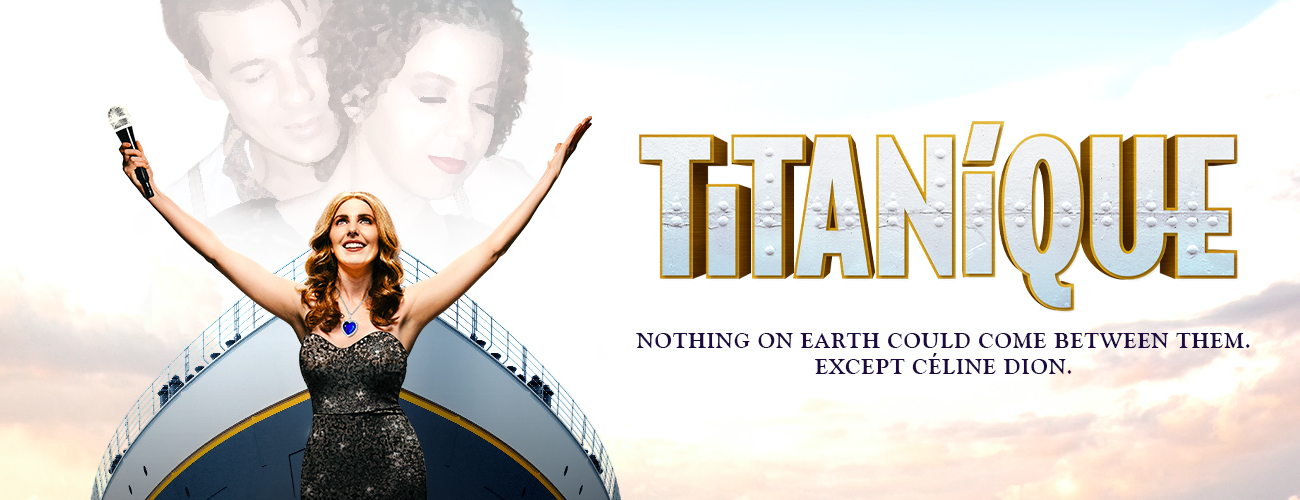
Find tickets for Off-Broadway shows and live theater performances at New World Stages - Stage 1.
Buy Tickets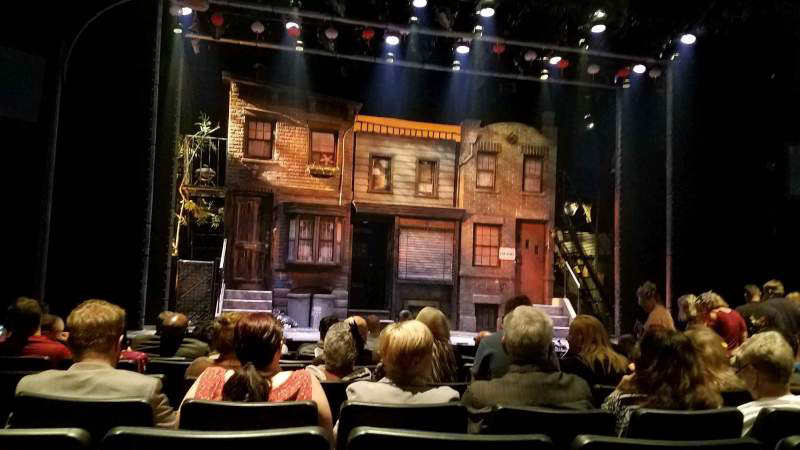
Explore ticket options for productions at New World Stages - Stage 3 in New York City.
Buy Tickets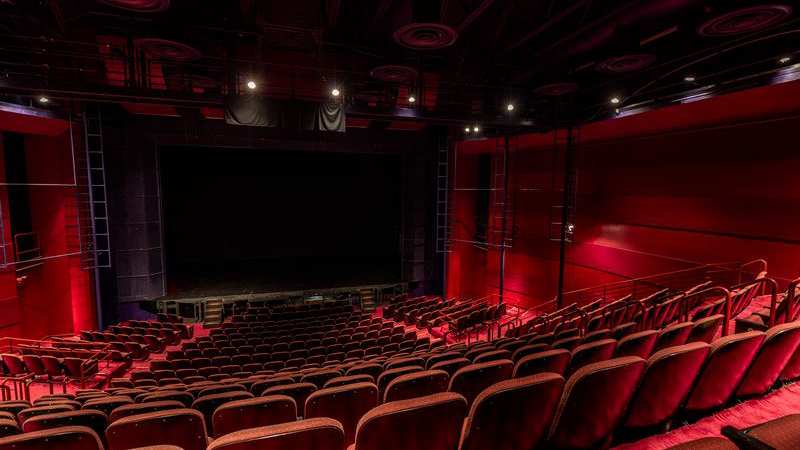
Find available tickets for plays, musicals, and Off-Broadway performances at Stage 42.
Buy Tickets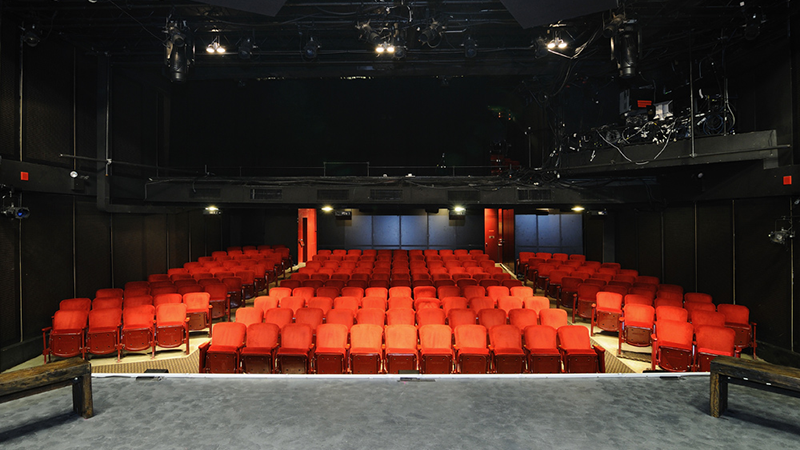
Browse tickets for acclaimed Off-Broadway productions at the Lucille Lortel Theater.
Buy Tickets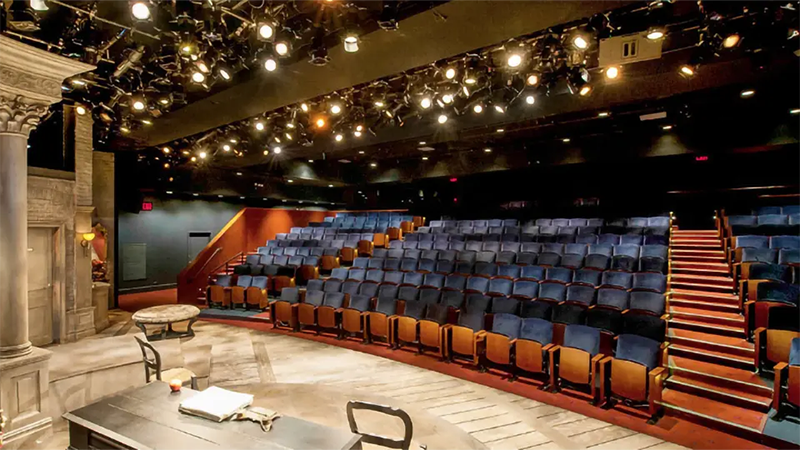
Find tickets for theater performances and special productions at New York City Center - Main Stage.
Buy Tickets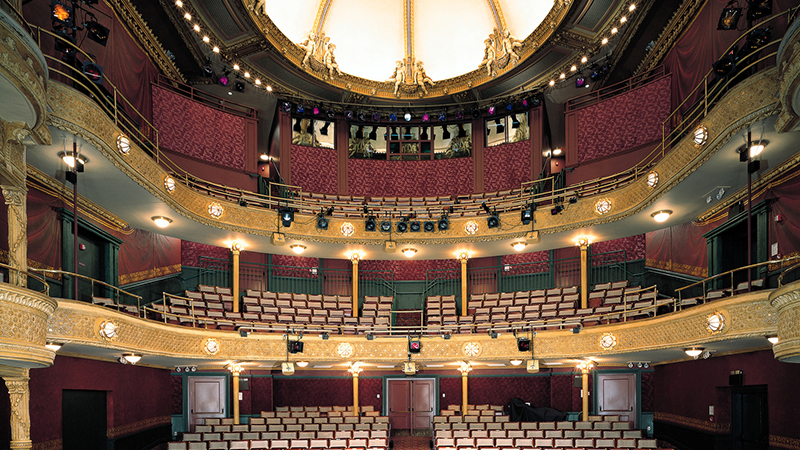
Browse tickets for family-friendly productions and live performances at the New Victory Theater.
Buy Tickets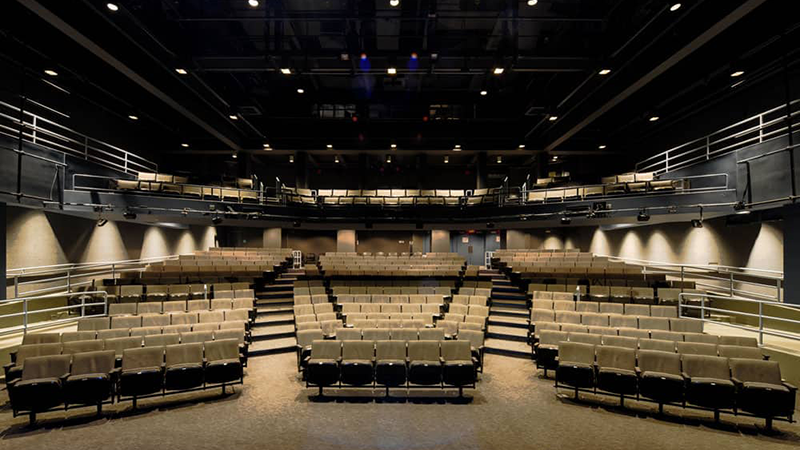
Find tickets for Off-Broadway productions and live stage events at the Laura Pels Theater.
Buy TicketsOff-Broadway is one of New York City’s most important theater traditions, known for intimate venues, creative risk-taking, emerging artists, and influential productions that often shape the future of American theater.
“Off-Broadway” generally refers to professional theater productions staged in New York City theaters with seating capacities smaller than traditional Broadway houses. While many people assume the term means a theater is physically located away from Broadway, the classification is more closely tied to venue size, production contracts, and industry recognition.
As a general guide, Broadway theaters usually have 500 or more seats, Off-Broadway theaters typically have 100 to 499 seats, and Off-Off-Broadway venues usually have fewer than 100 seats. This smaller scale gives Off-Broadway productions a more intimate relationship with audiences and allows producers, writers, directors, and performers to experiment with stories that may be too unusual, new, or financially risky for larger Broadway stages.
For additional background, readers can visit Wikipedia’s Off-Broadway overview or explore current theater resources through Theatre Development Fund.
Off-Broadway grew out of a need for an alternative to the high costs and commercial pressures of Broadway. By the mid-20th century, Broadway had become the center of American commercial theater, but that success also made it expensive and cautious. Smaller producers and artists began looking for spaces where new plays, experimental works, political theater, foreign dramas, and unconventional musicals could be produced with fewer financial constraints.
In the 1940s and 1950s, small theaters in neighborhoods such as Greenwich Village and the surrounding Manhattan arts districts became homes for this new movement. These venues often emphasized serious drama, actor-centered staging, new playwrights, and innovative forms of storytelling. Off-Broadway was not merely “smaller Broadway”; it became a separate artistic movement with its own values and identity.
Off-Broadway became a proving ground for important American playwrights, directors, actors, and composers. Because productions could be mounted with smaller casts, simpler sets, and lower budgets, artists had more room to explore challenging themes such as family conflict, politics, race, identity, sexuality, religion, class, and the changing nature of American life.
Some shows that began Off-Broadway eventually moved to Broadway, while others remained Off-Broadway because the intimacy of the smaller theater was essential to the work. In many cases, Off-Broadway success helped build audiences, attract critical attention, and prove that a new production had broader commercial potential.
Off-Broadway has played a major role in the development of modern musical theater. Smaller theaters have allowed composers, lyricists, and book writers to test bold concepts before attempting a larger Broadway run. Productions such as Little Shop of Horrors, Rent, and Hamilton are often discussed as examples of works that benefited from smaller-scale development before gaining wider recognition.
This development pipeline remains one of Off-Broadway’s most important functions. It gives new musicals time to evolve, gives audiences a chance to discover them early, and gives producers a more manageable way to evaluate whether a show can succeed on a larger stage.
Several New York theaters and nonprofit companies helped define the Off-Broadway tradition. Institutions such as The Public Theater, Playwrights Horizons, Atlantic Theater Company, and Signature Theatre have helped develop new plays, support emerging artists, and keep New York theater artistically adventurous.
These organizations often operate differently from purely commercial Broadway productions. Many are mission-driven, nonprofit theaters that focus on artistic development, cultural representation, education, and access.
Off-Broadway productions are generally not eligible for standard Tony Awards unless they transfer to Broadway. However, the Off-Broadway community has its own important honors. The Lucille Lortel Awards recognize excellence in Off-Broadway theater, while the Obie Awards, Drama Desk Awards, Outer Critics Circle Awards, and other honors also help spotlight outstanding work from smaller New York stages.
Today, Off-Broadway remains a vital part of New York City’s theater ecosystem. It serves as a creative laboratory, a professional stepping stone, a home for nonprofit theater, and a destination for audiences looking for shows beyond the biggest Broadway productions.
Modern Off-Broadway includes dramas, comedies, musicals, solo performances, revivals, family productions, immersive theater, and experimental works. It continues to attract both local theatergoers and visitors who want a more intimate, affordable, and artistically varied New York theater experience.
Off-Broadway matters because it keeps live theater flexible, creative, and accessible. It gives new artists a place to be discovered, allows established artists to take risks, and gives audiences a chance to experience theater in a closer and often more personal setting.
In many ways, Off-Broadway is the creative engine of New York theater. Broadway may be the city’s most famous stage, but Off-Broadway is where many of the ideas, voices, and productions that shape the future of theater first begin.